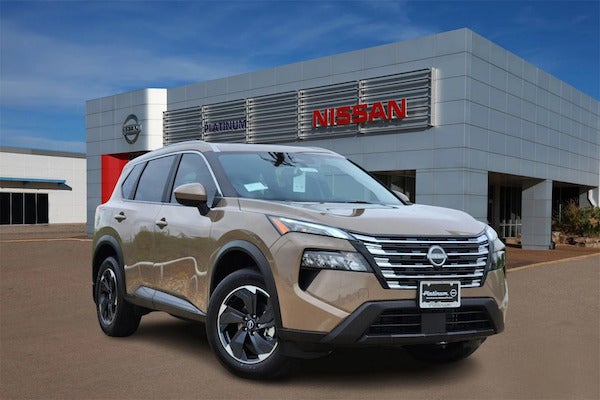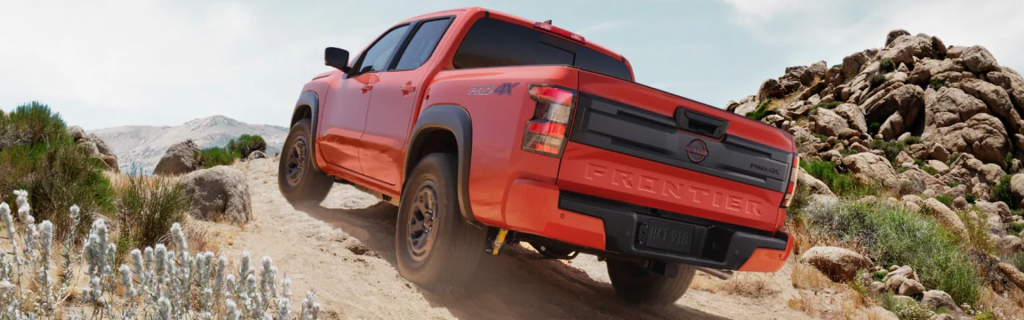

Brakes are beautifully straightforward from the driver's seat. Press the pedal and the car slows. Behind that simple action is a collection of components dealing repeatedly with friction, pressure, and heat. Inevitably, some of them wear. A Nissan Rogue® carrying a family around Denison may experience very different braking demands from a Frontier with towing capabilities or a Sentra® spending most of its mileage on the highway. There is no single pattern of wear, which makes recognizing changes in your own vehicle particularly useful.
Good Brakes Should Be Rather Uneventful
A properly functioning braking system shouldn't demand much attention during an ordinary drive. The pedal should behave consistently, braking response should feel predictable, and the vehicle should slow without unexpected noises or vibration. Brake pads and other components are designed to wear over time. Regular brake inspections provide an opportunity to measure that wear and examine the system before a small maintenance item becomes something more involved. The important thing is familiarity. If you've driven your Nissan for thousands of miles, you know how the brake pedal normally feels. A change is worth investigating.
Listen Before the Noise Gets Expensive
Squealing or squeaking during braking can have several causes, including brake-pad wear indicators on applicable designs. It doesn't automatically provide a diagnosis, but persistent new brake noise deserves an inspection. Grinding is more concerning. It can indicate severe component wear or another problem within the braking system and should be addressed promptly. The sensible response isn't to turn up the radio and hope the noise develops a new hobby. Have the brakes inspected and find out what's causing it. Catching worn components early may also help prevent additional damage elsewhere in the braking system.
Vibration Is Information, Too
A pulsing brake pedal or vibration through the steering wheel during braking is another useful clue. Drivers often describe this as a “warped rotor,” but brake vibration can have different causes, including variations in rotor thickness or uneven friction-material deposits. An inspection is the appropriate way to identify the source. Pulling to one side while braking also warrants attention. Brake components are one possible cause, but tires, alignment, suspension, and other factors can influence vehicle behavior. In both cases, what you're feeling is useful information. The diagnosis should come afterward.
Pay Attention to the Pedal
Brake-pedal feel is particularly important because changes can indicate problems that deserve prompt inspection. If the pedal suddenly feels softer, travels farther than normal, or behaves differently from one stop to the next, don't simply add it to a mental list of things you'll investigate eventually. Brake-system concerns can involve fluid, hydraulic components, or other parts requiring professional diagnosis. The same applies to dashboard warning lights. If a brake-related warning appears, consult your Nissan owner's manual and have the vehicle inspected as appropriate. A warning light exists to get your attention. It has already completed the first half of its job.
An Inspection Should Look at the System
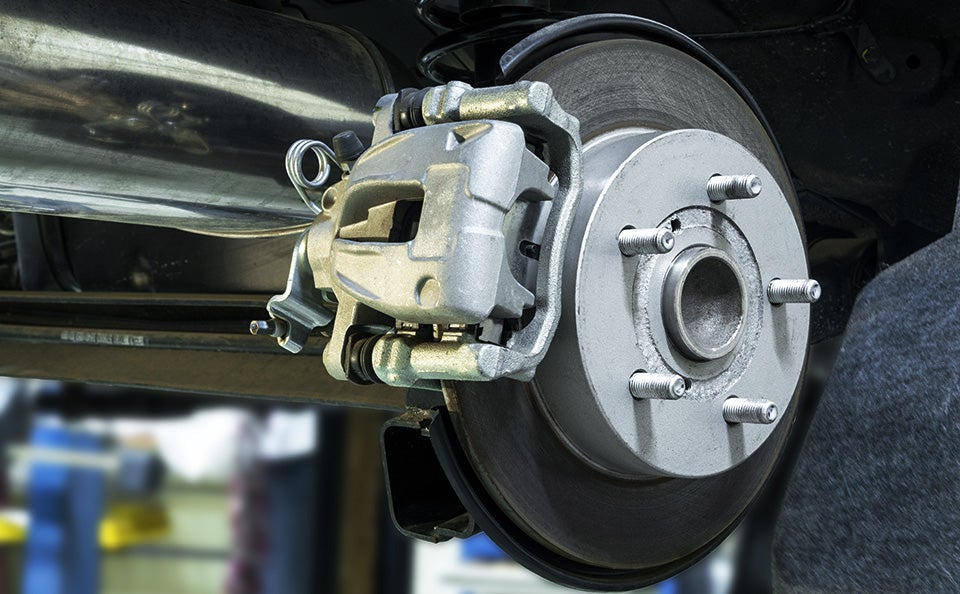
Brake service involves more than fitting new pads. Depending on what an inspection reveals, technicians may need to evaluate pads, rotors, fluid, calipers, and other related components. The required work depends on the vehicle and condition of the system. That is why diagnosis comes before replacement. Changing one component without understanding the source of a vibration, noise, or unusual pedal feel is not a particularly elegant solution.
When Your Nissan Changes, Pay Attention
Platinum Nissan of Texoma in Denison can help Nissan owners with brake inspections, scheduled maintenance, and other dealership service for models including the Rogue®, Frontier®, and Sentra®.
Schedule a service visit when your brakes need attention, or explore the current Nissan inventory if you're considering something new. When you've found the right model, schedule your Nissan test drive online and pay attention to how naturally everything works when you press that left pedal